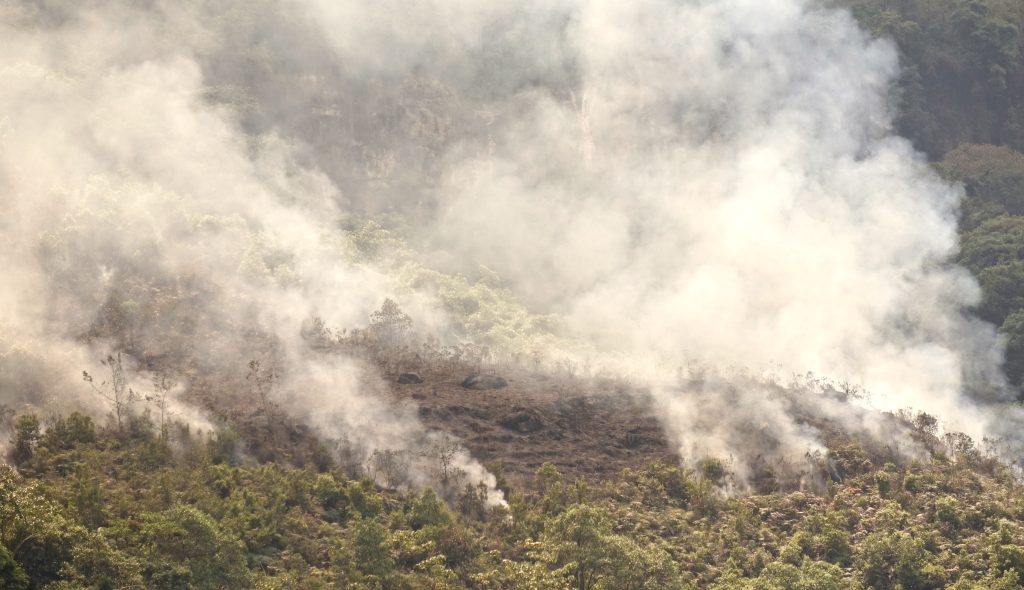
Ecological debt is essentially constituted by economic and trade relations based on the indiscriminate exploitation of resources, and its ecological impacts, including global environmental deterioration, most of which is the responsibility of the North.”
~ NGO Debt Treaty, 1992 Earth Summit, Rio de Janeiro, Brazil.
The concept of ecological debt recognizes how the legacy of colonization in the Americas, Asia, and Africa has not only led to the loss of Indigenous cultures but has also shaped the global economic system into one that monetizes and commodifies nature. This exploitation laid the foundation for neocolonial systems, where wealthier nations continued to appropriate natural resources in a predatory way under the guise of development and trade.
Today, Global North corporations dominate extractive industries across both the Global South and Indigenous territories in the North, engaging in activities such as logging, mining, oil extraction, agribusiness, and dam construction. These industries drive unsustainable production and consumption patterns, exacerbating environmental degradation and social displacement.
The extractivist nature of this economic system has driven climate change. The economic growth of the Global North has been, and is being achieved, through the extraction of resources from the Global South, since colonial times through to today.

Pope Francis
Spes non confunditWhy does this matter now?
Calling for financial reform and the urgent cancellation of unfair global debt is only part of the equation. Wealthy countries, including Canada, and corporations exploit resources from heavily indebted countries and from Indigenous communities causing human rights violations and severe ecological harm. This creates an “ecological debt” owed to those countries and to Indigenous peoples.
There was a mine here in Francisco Morazán, the Entre Mares mining company — it was called Entre Mares in Spanish, but it was part of Goldcorp from Canada, [which] caused major contamination. It was a strong fight here in Honduras starting in 2000. It was tough because it operated for about eight years, and yes, people managed to get it out of the country, but the consequences it left are still visible, because the mercury has contaminated all those rivers… and since they were supposed to be gold and silver mines, the contamination remains.
There was also lead, mercury, and arsenic. Many have reported that the people who live in the community… especially the children, are the ones who suffer the most consequences reporting skin diseases and also in their brains. Studies have been done and all of that…, but it has remained unresolved because the mining company responded that it was due to the poverty in the area, due to the children’s malnutrition and things like that, without acknowledging all the consequences left behind by that open‑pit mining.
Sister Ligia Molina Sevilla
Social Justice Co-Coordinator for Nuestra Señora de Guadalupe Region, Honduras, Guatemala & El Salvador (Congrégation de Notre-Dame)Learn More
Addressing ecological debt demands a fundamental rethinking of global power dynamics and our shared responsibility for the planet. We have a moral duty to reform financial systems that perpetuate unsustainable debt and to recognize ecological debt, shifting the traditional creditor-debtor relationship toward equity and fairness.
Dig deeper into the concept of ecological debt and its connections to global financial exploitation in ORCIE’s special in-depth position paper: Linking Ecological Debt to Global Financial Exploitation.
Voices from the Global South
ORCIE has been incorporating narratives and insights from Religious in the Global South into our political advocacy efforts to create momentum within the federal government of Canada to pay our fair share toward adaptation, mitigation, and loss and damage funds. Perspectives from the Global South are critical for raising awareness in Canada and creating the political will that is necessary for a more robust response to climate change.
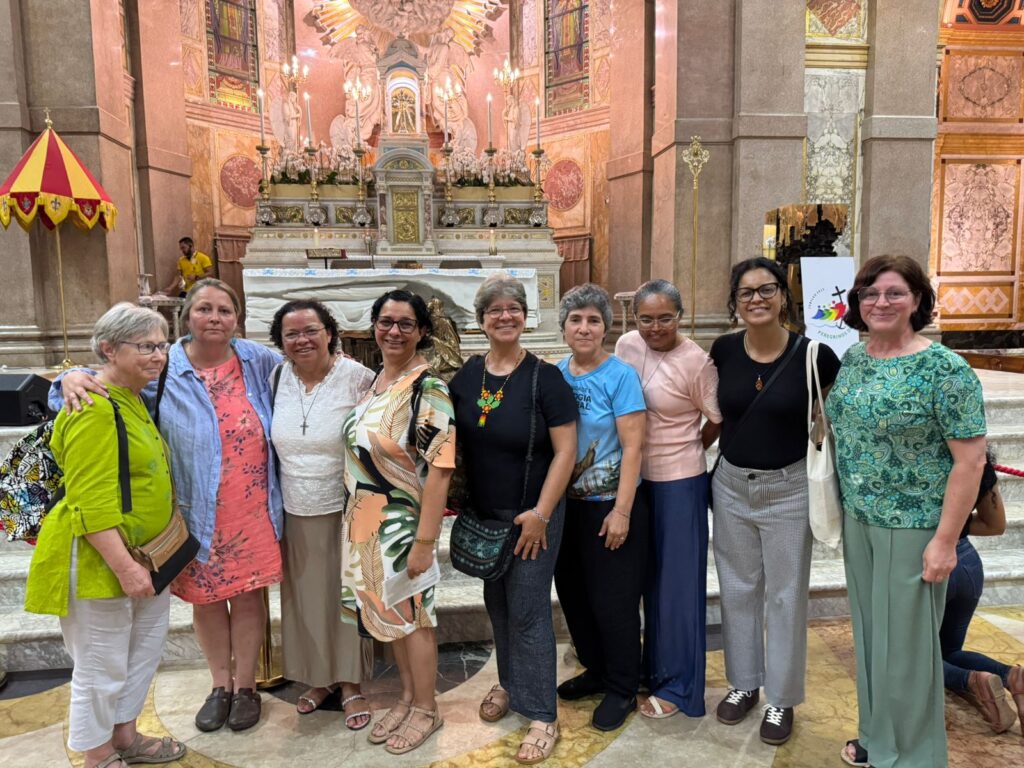
The prospect of the Jubilee of Hope is a glimmer of light in a world of darkness and gloom in which the “financial world” promotes greater exploitation and submission over the poor south of the world, to the level of the unbearable. Sr. Nilva Dal Bello, csj Brazil
Turn Debt Into Hope
ORCIE helped bring the global Turn Debt into Hope Jubilee campaign to life in Canada by coordinating with KAIROS, Development and Peace, Citizens for Public Justice, The Canadian Council of Churches, and international debt‑justice networks to mobilize religious congregations and push for the cancellation of unjust global debt. We invite readers to explore how the campaign connected ecological debt with the global debt crisis, revealing a deeper development emergency in which countries spend more on repayments than on health, education, or climate action, and why addressing both debts is essential for justice and sustainability.