• Skip to primary navigation
  • Skip to main content
The Office of Religious Congregations for Integral Ecology

The Office of Religious Congregations for Integral Ecology

  • About Us
    • Our Story
    • Our Team
    • Members
    • Testimonials
  • Our Work
    • Climate Policy National
    • Climate Policy International
    • Reconciliation
    • Jubilee 2025 Campaign
  • Activities & Updates
  • Resources
  • Communications
    • Media
    • E-Newsletter
  • Contact Us

Advocacy

🌍Budget 2025 Does Not Reflect ORCIE’s Focus on Integral Ecology

November 6, 2025 Filed Under: Advocacy, Communications

By Joe Gunn, Board Co-Chair & Treasurer, ORCIE

After the spring 2025 election, Canadians had to wait until November 4 to see the “generational budget” promised by their new federal government. It was then that ORCIE saw proof that environmental justice has been massively downgraded in importance – as well as in planned future action by our leaders.

The federal government wanted to highlight three buzzwords to describe their priorities: Build, Protect, and Empower. But the main takeaways are headlined in a massive $78 billion deficit, sharply increased military spending to immediately total 2% of GDP (moving quickly to 5% of GDP by 2035), and state “investments” and tax reductions to move the private sector economy forward, especially on newly selected PONIs (“Projects of National Interest.”)

How does Budget 2025 measure up to the demands of the climate emergency, when ORCIE members are advocating for approaches of integral ecology?

ORCIE’s recommendations for a federal budget defined by our vision of integral ecology was clearly outlined in our brief to the budget consultation process at the end of August. In short, ORCIE recommended action to accelerate the transition to a clean energy future, create meaningful new jobs for young people (in this moment of high youth unemployment), as well as for Canada to fulfill our promised international commitments to climate action.

The government’s “Climate Competitiveness Strategy” was finally released, a text of 14-pages in the 493- page “Canada Strong” budget document. What are the major headlines there?

Most importantly, there is no mention of Canadian commitments to achieve emission reduction targets. This represents a huge failure of government resolve. Canada’s target had been to reduce greenhouse gas emissions by 40% below 2005 levels by 2030. Much more concerted action is required to meet this promise, since the latest reports show we have only managed an 8.5% reduction to date. By refusing to acknowledge this targeted commitment, much less offer a strategy to get there, the federal government has chosen to abdicate its responsibility to all Canadians, other international actors as well as God’s creation.

More specifically, Canada’s Climate Competitiveness Strategy bows down in homage to the fossil fuel industry’s refusal to proceed with an emissions cap on oil and gas production. The federal government now asks Canadians to believe that other unspecified measures, like industrial carbon pricing, enhanced regulations to lower methane emissions, and providing massive subsidies to industry for Carbon Capture, Utilization and Storage (CCUS) schemes “at scale” are enough. The document states that an oil and gas emissions cap “would no longer be required” as it would then have “marginal value in reducing emissions.”

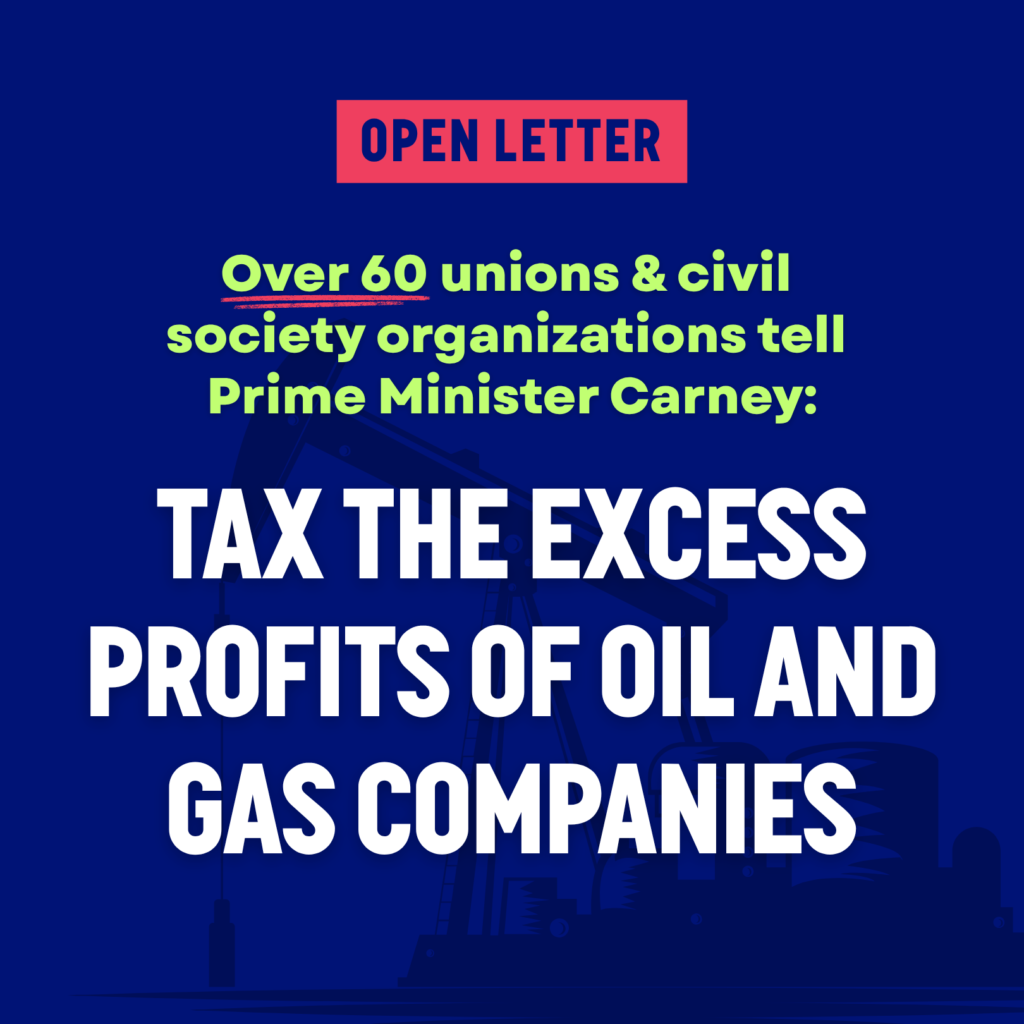
ORCIE is left to wonder if Canada’s Climate Competitiveness Strategy is not really a blueprint for exorbitant earnings to increase in the corporate sector controlled by the fossil fuel giants. MP Elizabeth May stated that extending CCUS tax credits for another five years, costing $3 billion, is just another fossil fuel subsidy. The Green Party leader said she cannot vote in favour of this budget.

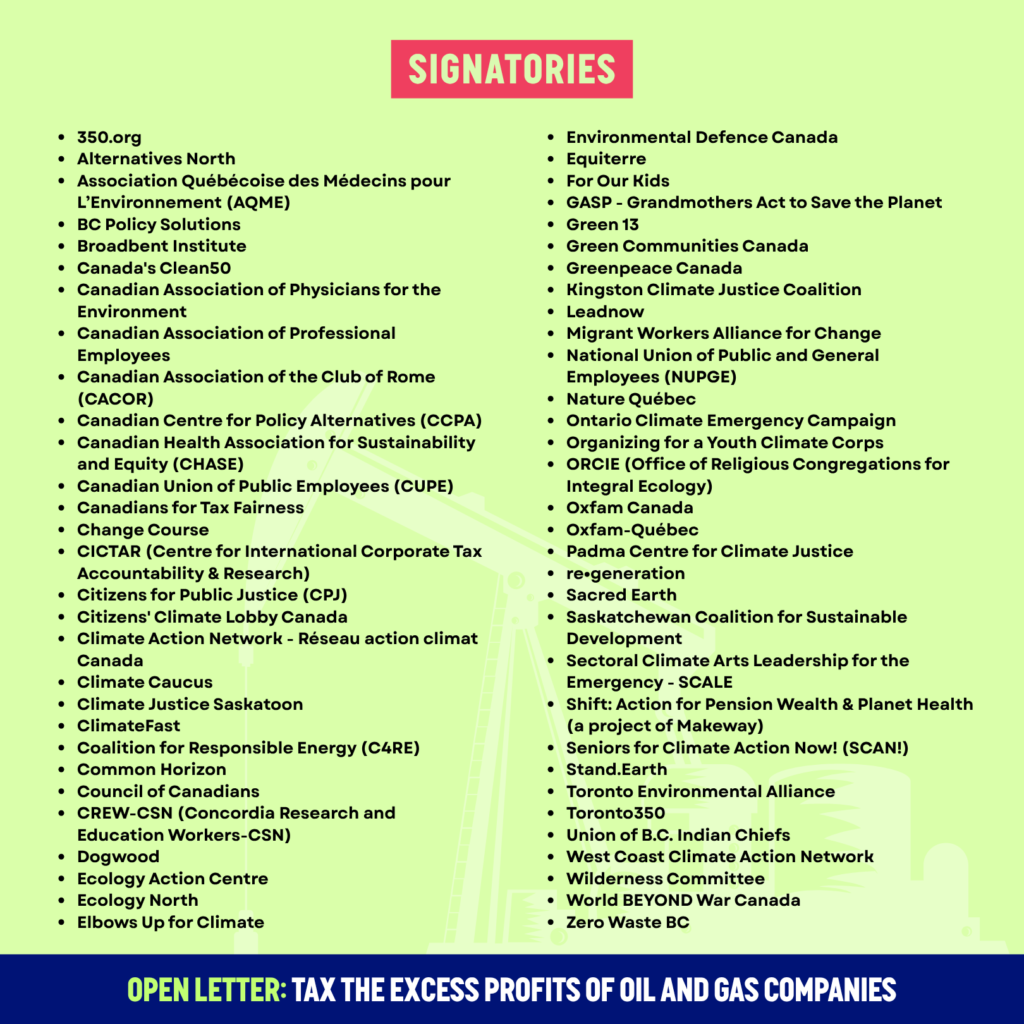
Caroline Brouillette, executive director of Climate Action Network Canada (of which ORCIE is an active member) summarized by stating: “We were looking for much-needed clarity on how Ottawa would diversify the economy away from volatile fossil fuels, meet our international climate obligations, and steer Canada towards a safer and more affordable clean energy future. We’re still waiting,”

On a hopeful note, ORCIE was pleased to see the budget commit to spend $40 million over the next two years to establish a Youth Climate Corps, providing young Canadians with a range of work experiences in green endeavours that can help build more environmentally resilient communities. (ORCIE had advocated for $1 billion for this program over five years – the amount granted will only support 350 jobs in 2026.)

ORCIE was also dismayed to read how this federal budget will reduce Canada’s International Assistance Envelope by $2.7 billion over the next four years. The government has clearly chosen to prioritize building a “hard power” future for Canada through arms spending, rather than “soft power” to build relationships of solidarity among global citizens through development cooperation. These cuts suggest that the Jubilee 2025 campaign for the cancellation of odious debts of countries of the Global South will have much more work to do.

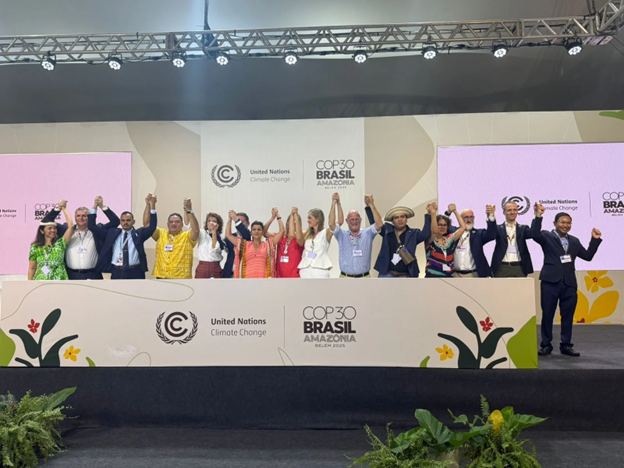
When COP30 will be taking place in Belém, Brazil, this same month, Canadian officials will have the unenviable task of explaining why our country seems to be lowering our commitments to climate action at home and abroad. ORCIE will be present to continue to advocate for better ways to build and protect our common home, and empower actions towards a future of integral ecology.

Learning & Lobbying 2025: Canada for Global Climate Justice

October 9, 2025 Filed Under: Advocacy, Take Action

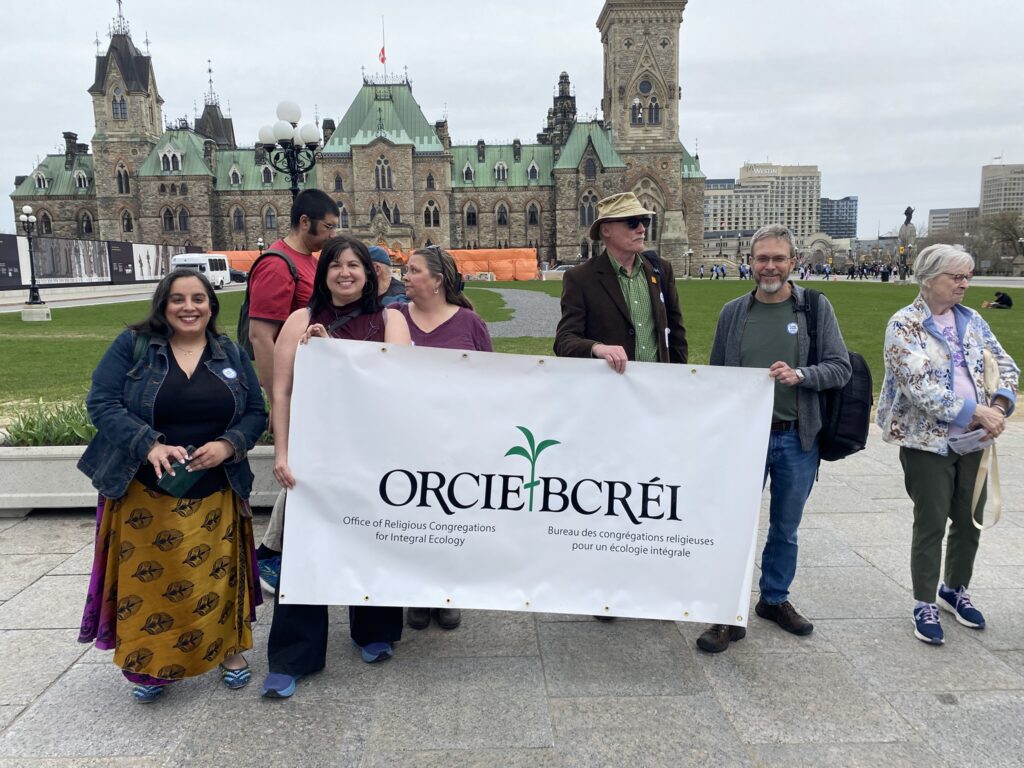
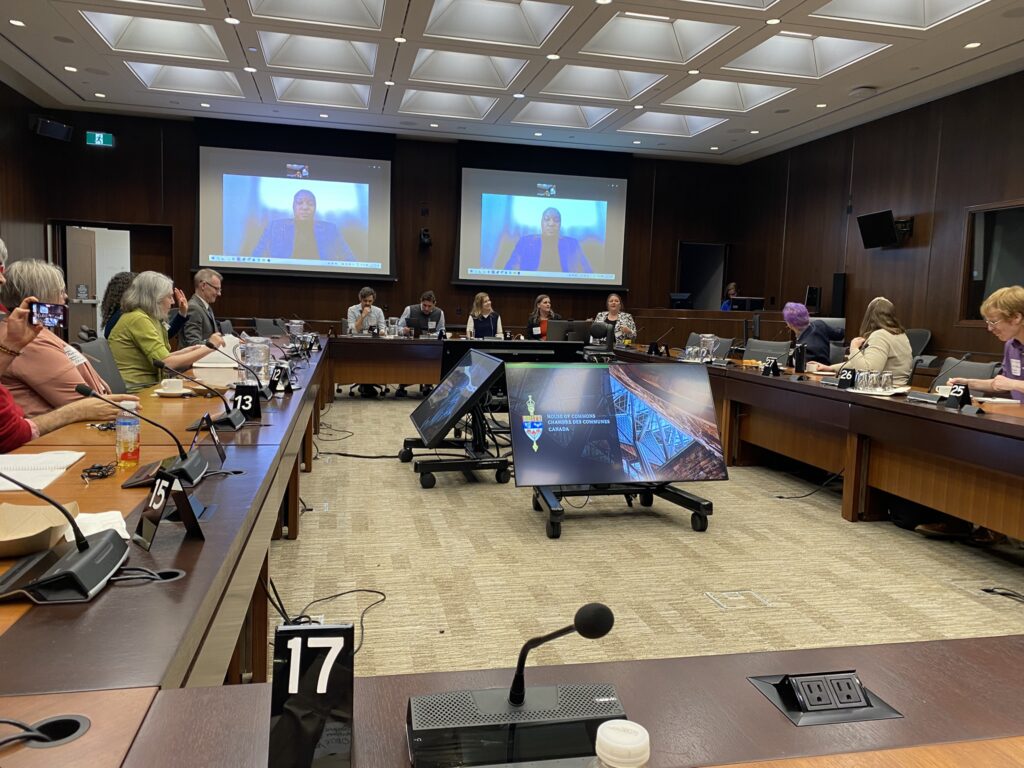
In September 2025, ORCIE organized a successful multi-day “Learning & Lobbying” series that culminated in meetings on Parliament Hill in Ottawa with MPs and senior policy staff from Environment and Climate Change, Natural Resources, Finance, and Foreign Affairs.

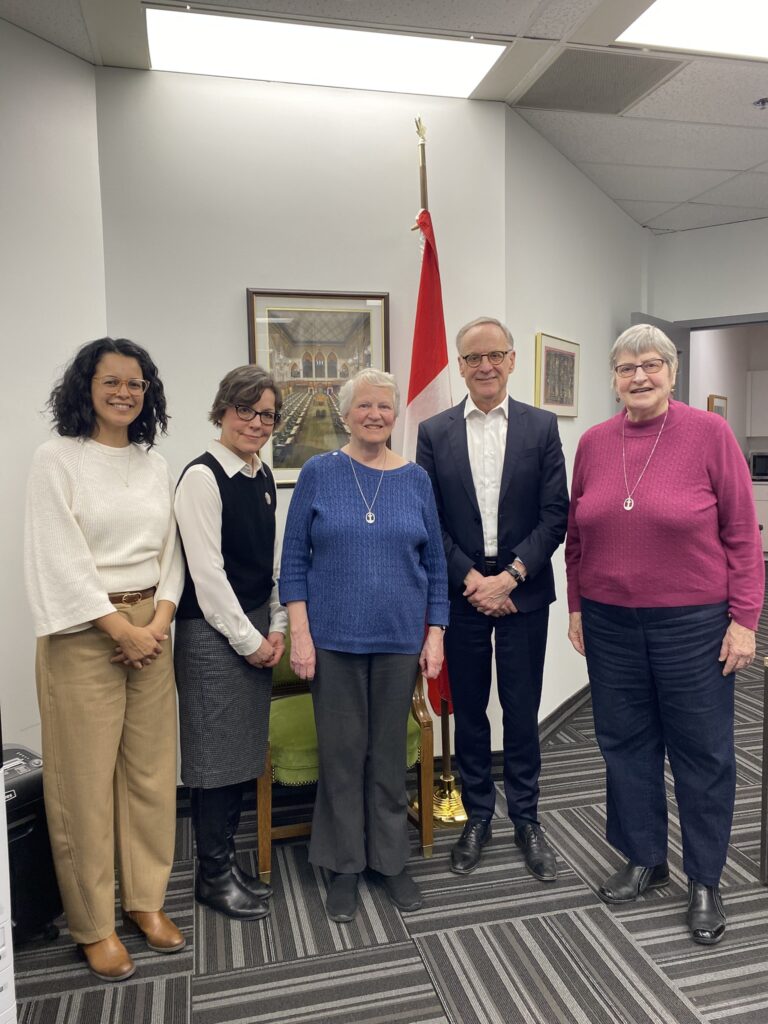
Productive lobbying meetings were held with Rob Oliphant (Liberal), Elizabeth May (Green), Garth Ehrhardt (ECCC), Don Davies (NDP).

During these discussions, ORCIE emphasized Canada’s responsibility to do its fair share in confronting the climate emergency—by capping fossil fuel emissions and production, accelerating investment in clean energy, and fulfilling its international commitments. The delegation also raised how unsustainable debt burdens, reduced aid, and an unjust global financial system continue to disadvantage countries in the Global South.

Preparation began with an online webinar featuring Seth Klein and Anjali Appadurai from the Climate Emergency Unit, who shared insights on climate policy and effective advocacy. Facilitated by Genevieve Gallant, Executive Director of ORCIE, and Sue Wilson, CSJ, PhD, from the Office for Systemic Justice, Federation of the Sisters of St. Joseph of Canada, the session helped 43 participants build their confidence and refine messaging using the Fair Shares Platform.

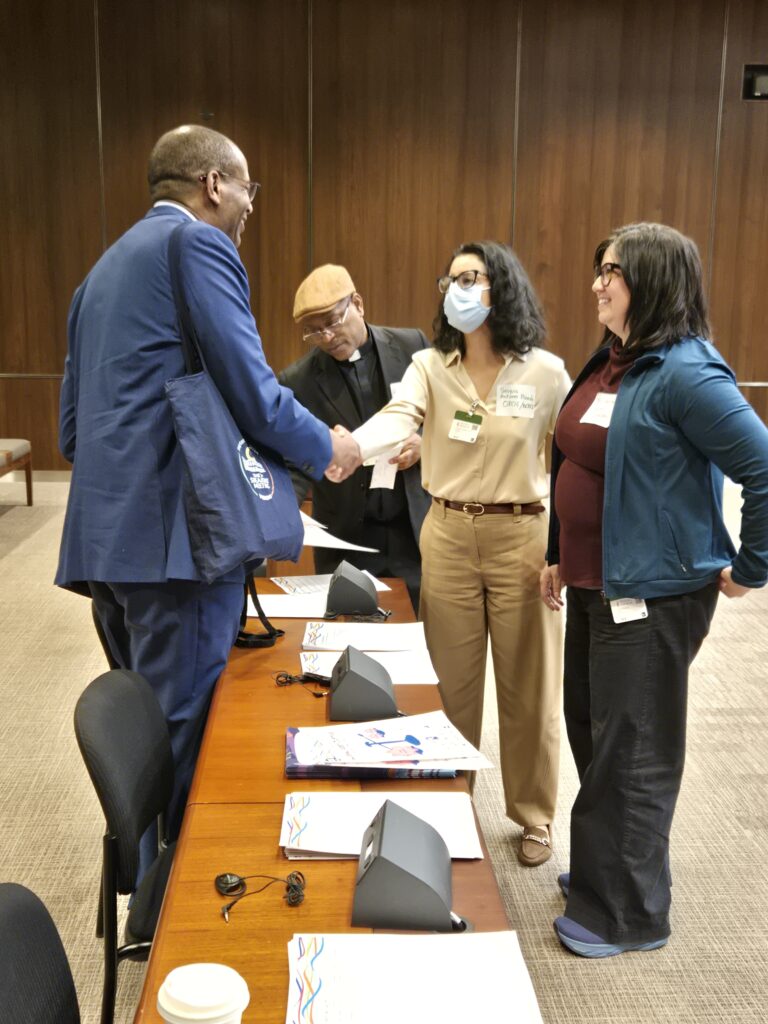
An in-person advocacy training followed at St. Paul University, led by Genevieve Gallant, Executive Director, and Sasquia Antúnez Pineda, Advocacy and Communications Officer at ORCIE. Participants reviewed ORCIE’s lobby guide, policy briefs, and key talking points before practicing in small groups to prepare for meetings on the Hill.

We ended the day with a beautiful dinner at the home of Joe Gunn, ORCIE’s Treasurer—a warm and inspiring gathering that offered time to connect, share encouragement, and build community ahead of the meetings.

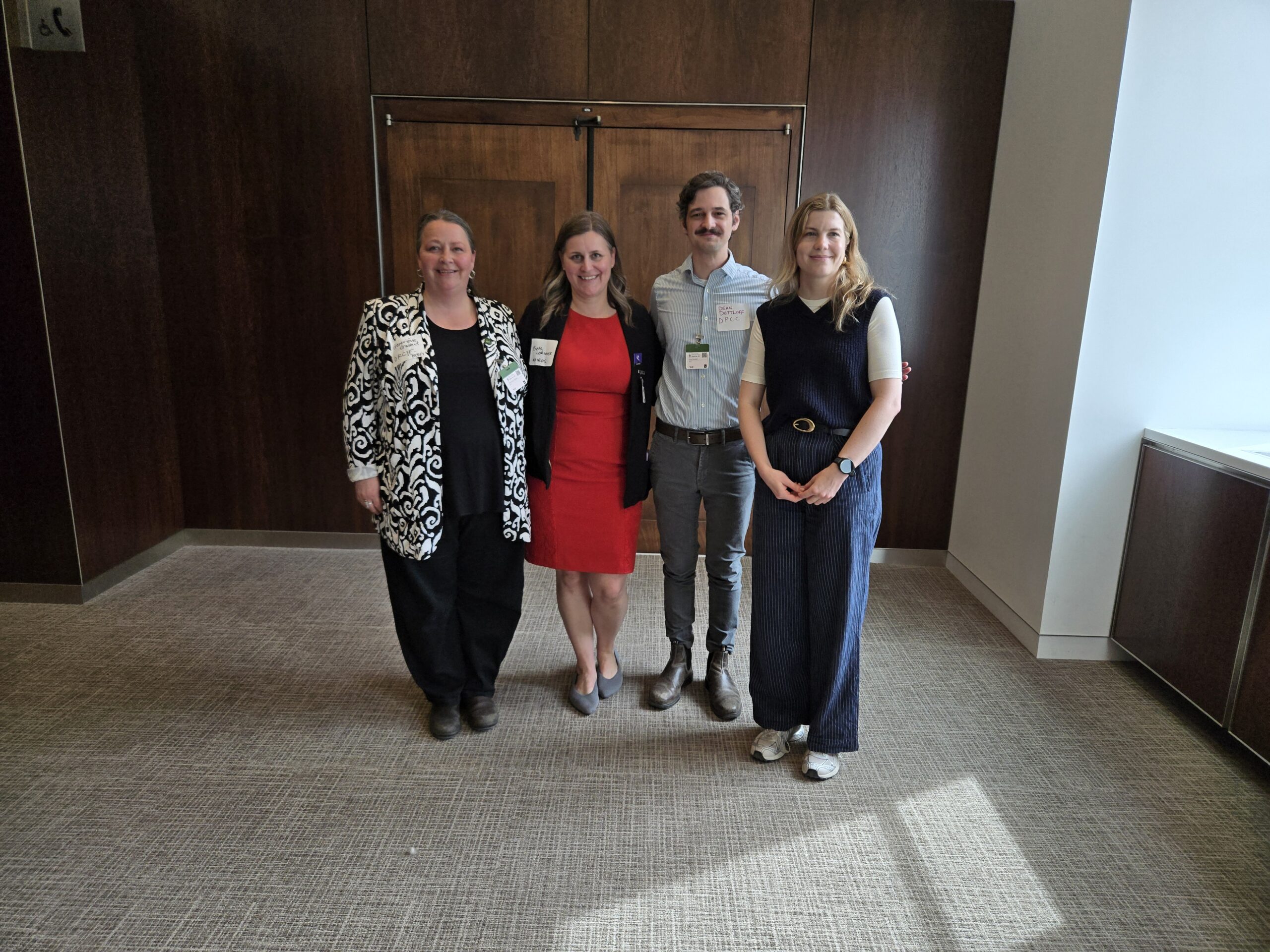
The final step brought together ten ORCIE participants—including members from several congregations and ORCIE staff—for in-person meetings with six MPs and three senior policy staff on Parliament Hill. Each conversation focused on ORCIE’s policy asks rooted in the Fair Shares Platform and our domestic climate policy brief. These meetings opened space for meaningful dialogue, and participants gathered thoughtful feedback from MPs that will guide future engagement, including follow-up meetings with regional representatives.

Productive lobbying meetings were held with Alexandre Boulerice (NDP), Corey Hogan (Liberal), Eric St. Pierre (Liberal), Steven Kuhn (AADM International Trade & Finance), and Sophie Kiwala (Chief of Staff for Yasir Naqvi, International Development).

The experience wrapped up with a debrief and drinks at a local Ottawa restaurant, where participants reflected on their conversations, shared insights, and explored next steps together—closing the series with a strong sense of collaboration, community, and shared purpose for global climate justice.

Watch the full webinar recording at orcie.org/resources.

You’re Invited: ORCIE-BCRÉI Virtual Training — Canada for Global Climate Justice

September 16, 2025 Filed Under: Activities, Advocacy, Take Action

Canada must do its fair share to confront the climate emergency. That’s why we’re launching ORCIE-BCRÉI Learning and Lobbying Days 2025: Canada for Global Climate Justice with a virtual advocacy training session you won’t want to miss.

🌍 This online event will equip you with the tools to advocate for Canada’s fair share in tackling the climate crisis — a crisis fueled by debt burdens, deepening climate impacts, cuts to foreign aid, and an unjust global financial system.

ORCIE Virtual Zoom Training

📅 Tuesday, September 23, 2025
🕐 1:00 PM EST
🎤 Learn more about advocacy and the Fair Shares Platform with Seth Klein and Anjali Appadurai from the Climate Emergency Unit.

This online gathering will equip you to meet with MPs and share how Canada can lead boldly on climate justice, economic transformation, and international solidarity.

👉 REGISTER HERE: Meeting Registration – Zoom


📩 For more information, contact:

  • Sasquia Antúnez Pineda — sapineda@orcie.org
  • Genevieve Gallant — ggallant@orcie.org

ORCIE Submits Recommendations for Canada’s 2025 Federal Budget

August 28, 2025 Filed Under: Advocacy

The Office of Religious Congregations for Integral Ecology (ORCIE) is pleased to share that on August 28, 2025, we submitted our recommendations to the federal government as part of the 2025 pre-budget consultation. Guided by Catholic social teaching and the call of Laudato Si’ to care for our common home, our submission urges Canada to prioritize justice, solidarity, and ecological responsibility in its 2025 budget.

Canada faces urgent social and environmental challenges—from climate change and extreme weather to youth unemployment and the needs of vulnerable communities worldwide. ORCIE’s recommendations focus on three key areas:

  1. Accelerating the Transition to Clean Energy
    We call on the government to end investments in fossil-fuel infrastructure, implement strict emissions caps, and significantly fund a national renewable electricity grid to ensure reliable, affordable, and clean energy for all.
  2. Creating Meaningful Green Jobs for Young People
    Canada must scale up youth climate initiatives. ORCIE recommends at least $1 billion to establish a robust Youth Climate Corps that equips young people with skills for a sustainable future while strengthening community resilience.
  3. Fulfilling International Climate Commitments
    Canada has a moral and legal responsibility to support the world’s most vulnerable communities. ORCIE urges tripling climate finance to $15.9 billion by 2030–31, prioritizing adaptation, mitigation, and loss and damage, and providing most funds as grants rather than loans.

These recommendations reflect our commitment to a federal budget that protects human dignity, promotes ecological justice, and responds to the needs of the planet and its people.

Read the full ORCIE submission here: https://drive.google.com/file/d/19Mrs6lhrJCWxHCAhHdjyIweFNib-p1l0/view?usp=sharing

Stay tuned: ORCIE will share our analysis and reflections on the November 4th budget announcement, highlighting what it means for ecological justice and guiding our next steps in advocacy.

JOIN US: Lobby Days with MPs in Ottawa and in your local ridings

August 26, 2025 Filed Under: Activities, Advocacy, Take Action, Uncategorised

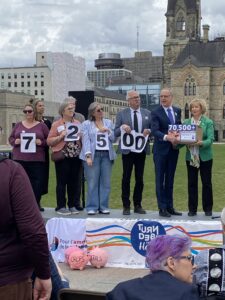
Connecting the dots between the debt crisis, the climate emergency, cuts to foreign aid and an unjust financial system, ORCIE is calling for Canada to fund our fair share to confront the climate crisis.

Will you join us for our upcoming Lobby Day September 25th, 2025 in Ottawa? Our Learning & Lobbying process prepares small teams of members of religious congregations to meet with Ministers, Parliamentary Secretaries, MPs and Members of Standing Committees on Parliament Hill.

Details on our Learning & Lobbying Days:

  • September 20 (Sat): Global Climate Strike, locally across Canada
  • September 23 (Tue): ORCIE Learning Session, virtual
  • September 24 (Wed) : ORCIE Preparation for meetings, Ottawa
  • September 25 (Thurs): ORCIE Lobby Day on the Hill, Ottawa
  • September 29- 30 (Mon-Tues): Meet your MP at local offices
  • October 13-17 (Mon-Fri): Meet your MP at local offices
Prep day with the ORCIE members

Religious are invited to join us in Ottawa for September 24-25, or to work together locally to meet MPs in their riding. For more information and to express your interest please contact Sasquia or Genevieve so we can prepare for your participation.

  • Go to page 1
  • Go to page 2
  • Go to page 3
  • Go to page 4
  • Go to Next Page »
  • About Us
  • Our Work
  • Activities & Updates
  • Resources
  • Communications
  • Contact Us
The Office of Religious Congregations for Integral Ecology

© The Office of Religious Congregations for Integral Ecology | Log outBuilt by PeaceWorks

Map

We acknowledge, with respect and humility, that our office is situated on the traditional and unceded territory of the Algonquin Anishinabeg people.